The best matches come first
Results are ordered by real design similarity, so strong copies sit on page one and the list tells you where to stop.
For brand-protection platforms
Plug Klaimed into your brand-protection platform through one API. Your users find the replicas and lookalikes that keyword and logo detection miss, each match explained attribute by attribute and delivered as a signed record, under your name.
Why platforms build on Klaimed
Your platform already owns the workflow and the clients. Klaimed supplies the detection layer underneath, so you ship better results through the product your users already know.
Send a reference, get ranked and reasoned copies back. The detection layer lives on our side, so you add design-level recognition to your platform without training a model or standing up a scraper.
Expert models read a product by its design, not its name or logo. They find the replicas and lookalikes other engines miss, and show why each one matched, feature by feature.
Klaimed runs entirely behind your product. Your users see your platform, your interface, your reports. The detection engine stays under the hood, with nothing for you to maintain.
Before you integrate, we run detection on your own catalogue and listings, and show you what your current engine misses. Then the same endpoint goes live.
"image_uris": ["…/snk_cr_204_front.jpg", "…/side.jpg", "…/heel.jpg"],
"name": "Arlo Court",  "model": "SNK_CR_204",
"reference_price": 390,  "trademarks": ["EUTM 018765432"]


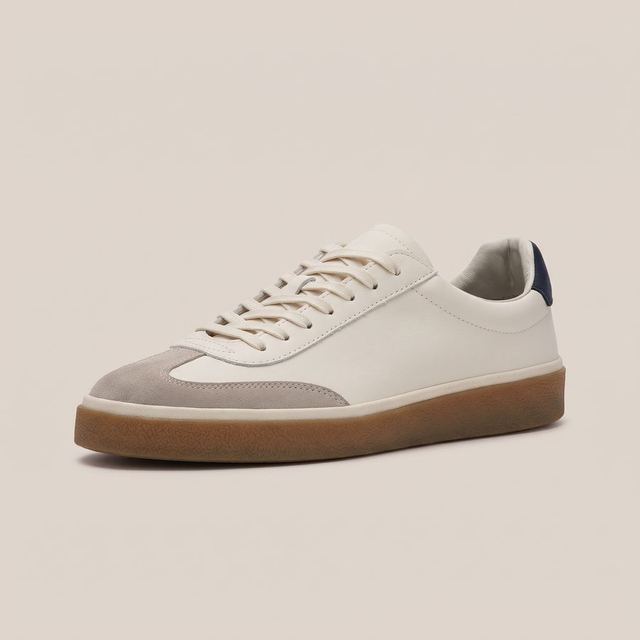 +315 more lookalikes your engine never surfaced
How it plugs in
Reference, ingest, match and deliver all run on our infrastructure. Your product consumes the feed, in batch or live.
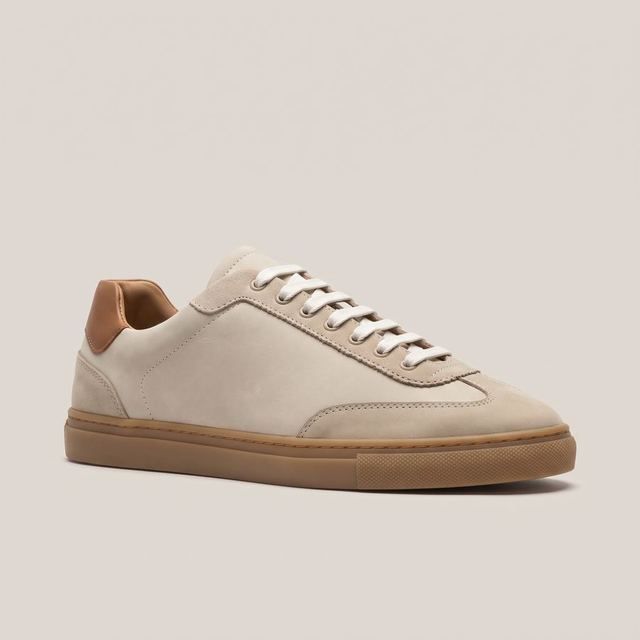
# detections.graphql · v1 · signed
query Detections($ref: ID!) {
  reference(id: $ref) {
    clusters {
      id  matches  similarity
      counterfeit
      trademark { name registered }
      evidence
    }
  }
}
What makes the detection different
Not a similarity score to trust on faith. A ranked, reasoned, multi-signal verdict your analysts can stand behind.
Results are ordered by real design similarity, so strong copies sit on page one and the list tells you where to stop.
Every confirmed finding trains the model. Week by week, more findings are enforced automatically and fewer need a person.
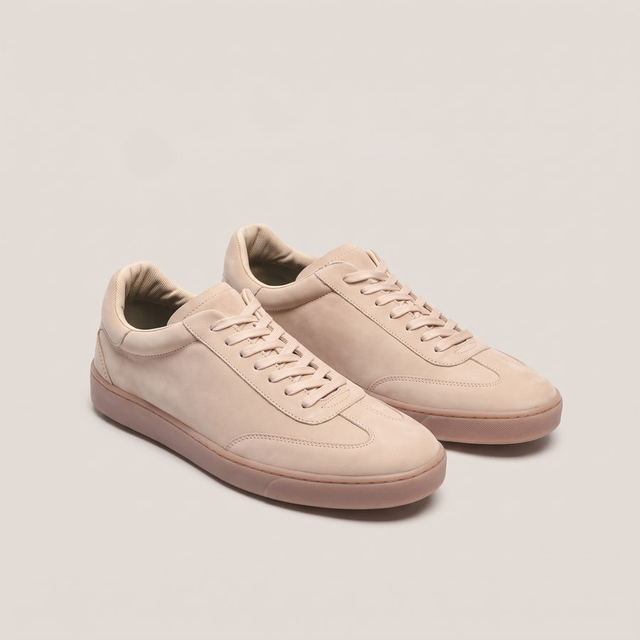 Zapatillas piel estilo court
€109
Design is the core signal. Trademark use, text anomalies and behavioral patterns feed the analysis too, so a listing is judged on everything at once.
Your references and results stay in the EU, end to end.
Your catalogue and detections are never shared or used to train for anyone else.
Every case keeps its full history, so your findings hold up as evidence.
Send one reference image, get ranked and reasoned matches back. Plug detection into your own platform or IPMS.
import { KlaimedClient } from "@klaimed/sdk";

const client = new KlaimedClient({ apiKey: "YOUR_API_KEY" });

await client.detections.create({
  reference: "https://.../my-product.jpg",
  taxonomy:  "sneaker",
  scope:     ["open_web", "registries"],
});As a detection layer behind your API calls. You send a reference and a scope, we return ranked copies with attribute-level evidence as structured data. You render it in your own interface, so your users only ever see your platform.
No. Klaimed works only through brand-protection platforms, IP firms and design search firms. Your clients stay yours.
Only the integration. No model to train, no scraper to operate, no detection infrastructure to maintain. We run recognition and scraping on our side and expose it through one API, so your team integrates rather than builds.
Yes. Beyond your own listings and our scrapers, we add any publicly accessible source on request: a specific marketplace, a retailer website, a social platform or a regional registry. We only collect public pages, never behind a login or a paywall.
We add models on request. Tell us the product type and we build a dedicated expert model for it. The 146 models already available are listed in the model library.
A trademark watch finds the brand name. Klaimed finds the product by its design, so it catches copies that change the colour, shoot a different angle, or drop the logo entirely. These are the cases keyword and logo search miss, and the uplift your product can measure.
Yes. Every match returns the reasoning behind it, feature by feature: silhouette, hardware, proportions, pattern, each scored. Your users see exactly why two products match, attribute by attribute. It holds up in a conversation and in a file.
Based on the number of references you monitor and the volume of listings we process, plus API usage and a one-time integration fee. Plans are annual or monthly, with no other minimum commitment.
A few days after the pilot. We set up your API keys, catalogue and sources, and the feed starts on the products from the pilot.
No. Your references and results only improve your own model, never a model used for another client.
Pick a reference and a scope. We run it end to end and show you the copies your current engine misses, ranked and explained, before you integrate.